This post contains affiliate links. If you click a link and make a purchase, we may earn a small commission at no extra cost to you. Thank you for supporting our work.
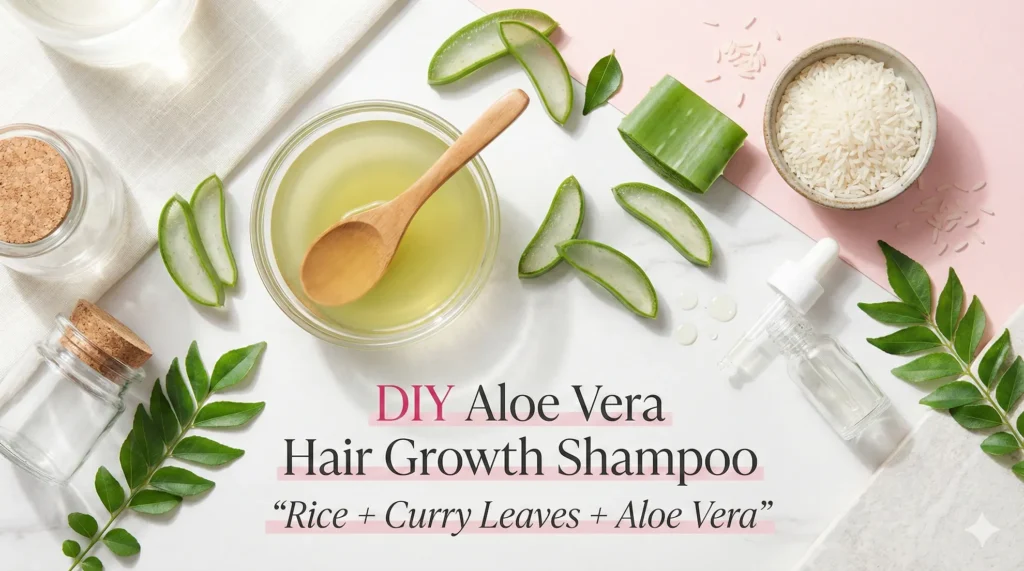
DIY Aloe Vera Shampoo for Hair Growth: A Simple Homemade Recipe for Stronger, Thicker Hair
Most people give away aloe vera without realizing it’s a natural million-dollar boon. But when mixed with rice and curry leaves, it turns into a powerful homemade shampoo that strengthens roots, reduces breakage, controls dandruff, and boosts rapid hair growth—naturally and affordably.
DIY Aloe-Rice-Curry Leaves Shampoo Recipe
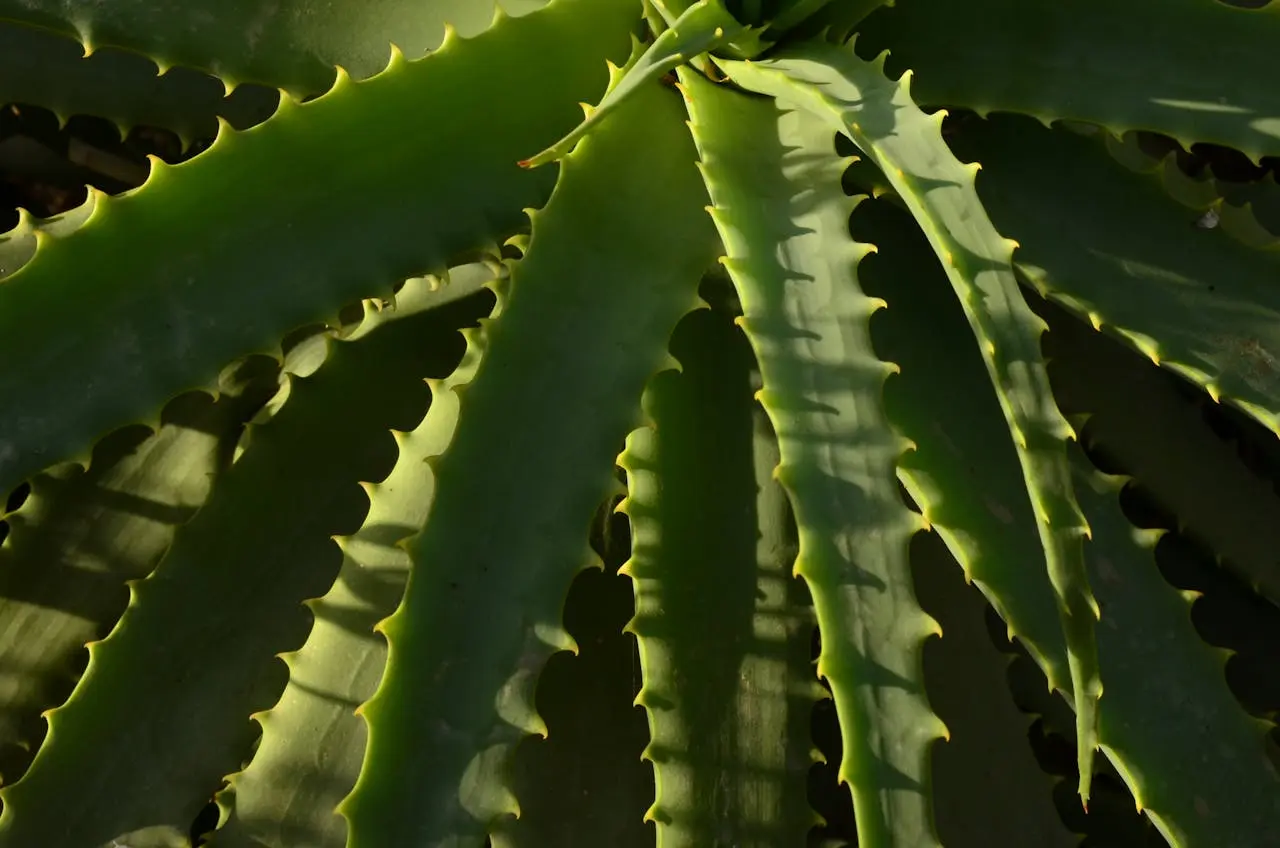
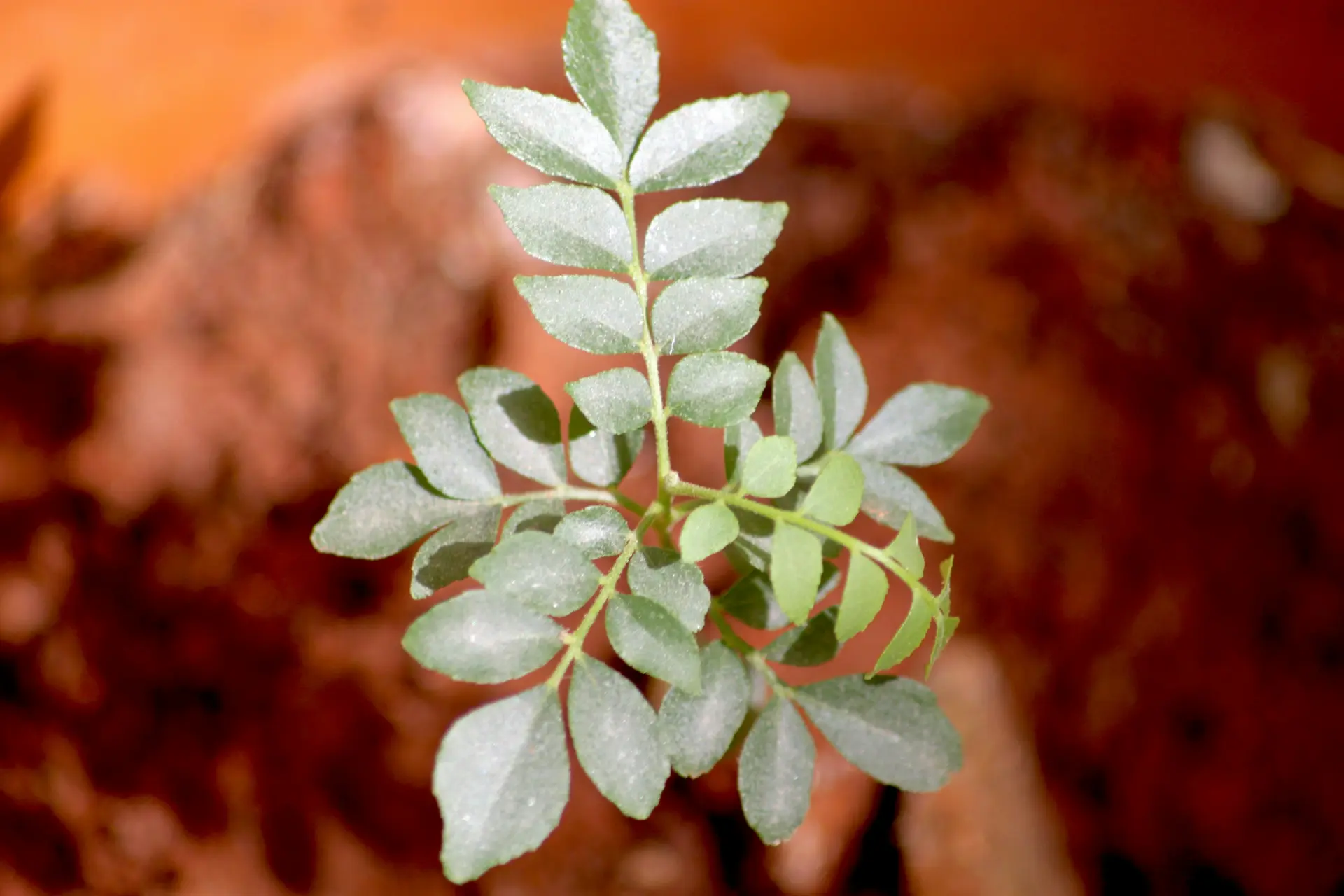
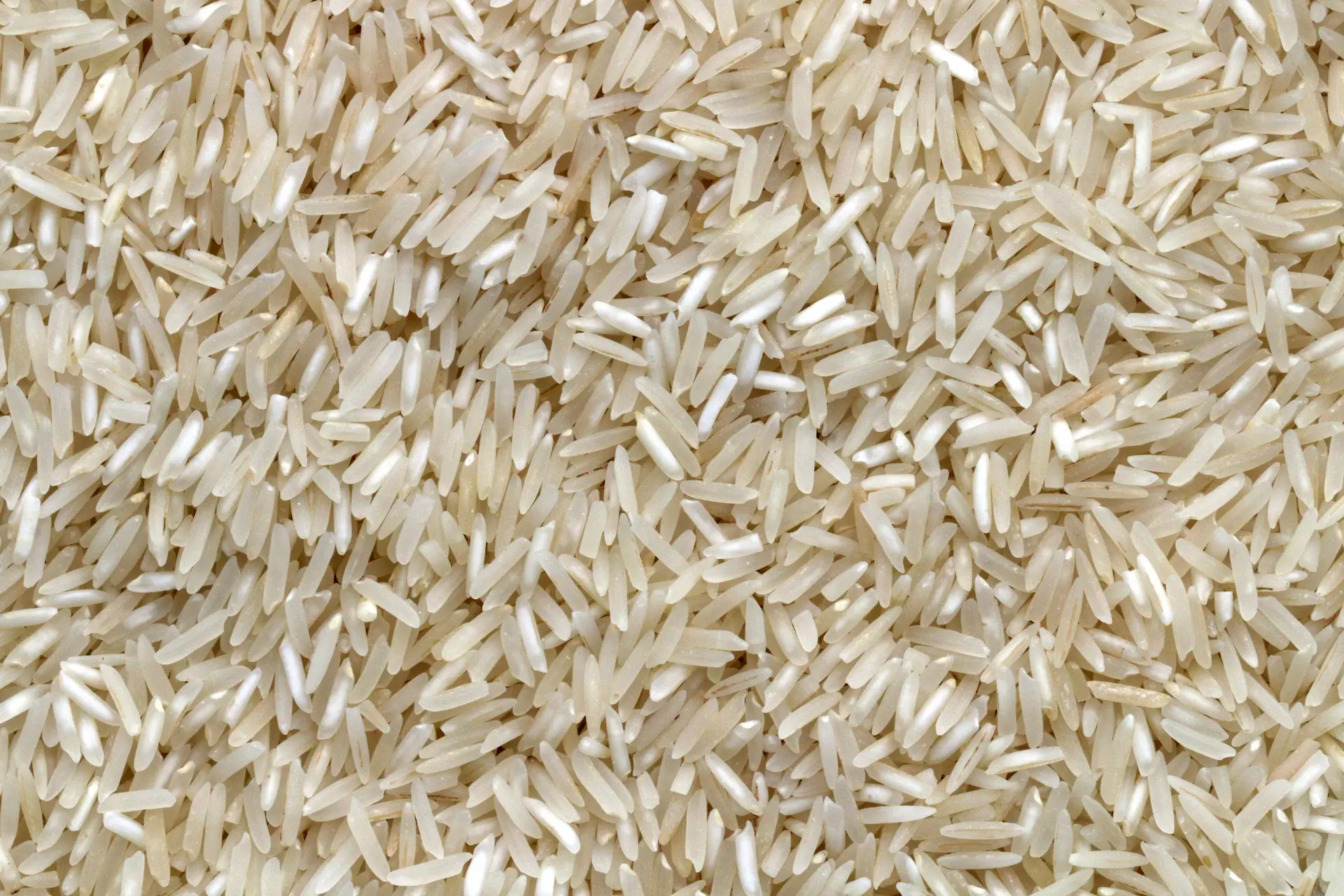
Ingredients
- 2 tablespoons rice
- 1 glass water
- 10–15 curry leaves
- 15–20 aloe vera slices (fresh gel)
- 2–3 tablespoons mild shampoo
How to Prepare
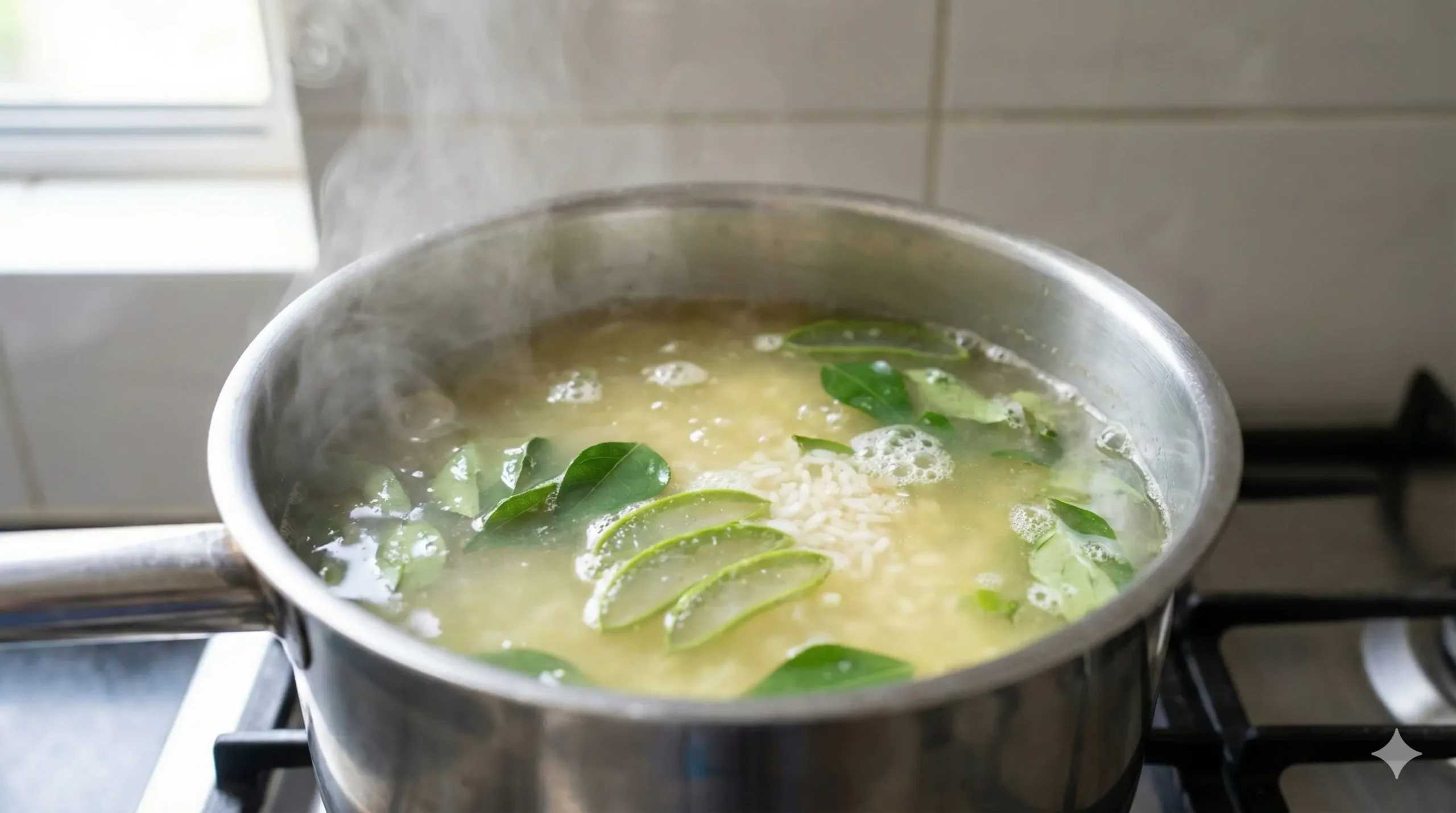
- Add 2 tablespoons rice and 1 glass of water to a pot.
- Mix in 10–15 curry leaves and 15–20 aloe vera slices.
- Boil for 10 minutes until nutrients completely infuse into the water.
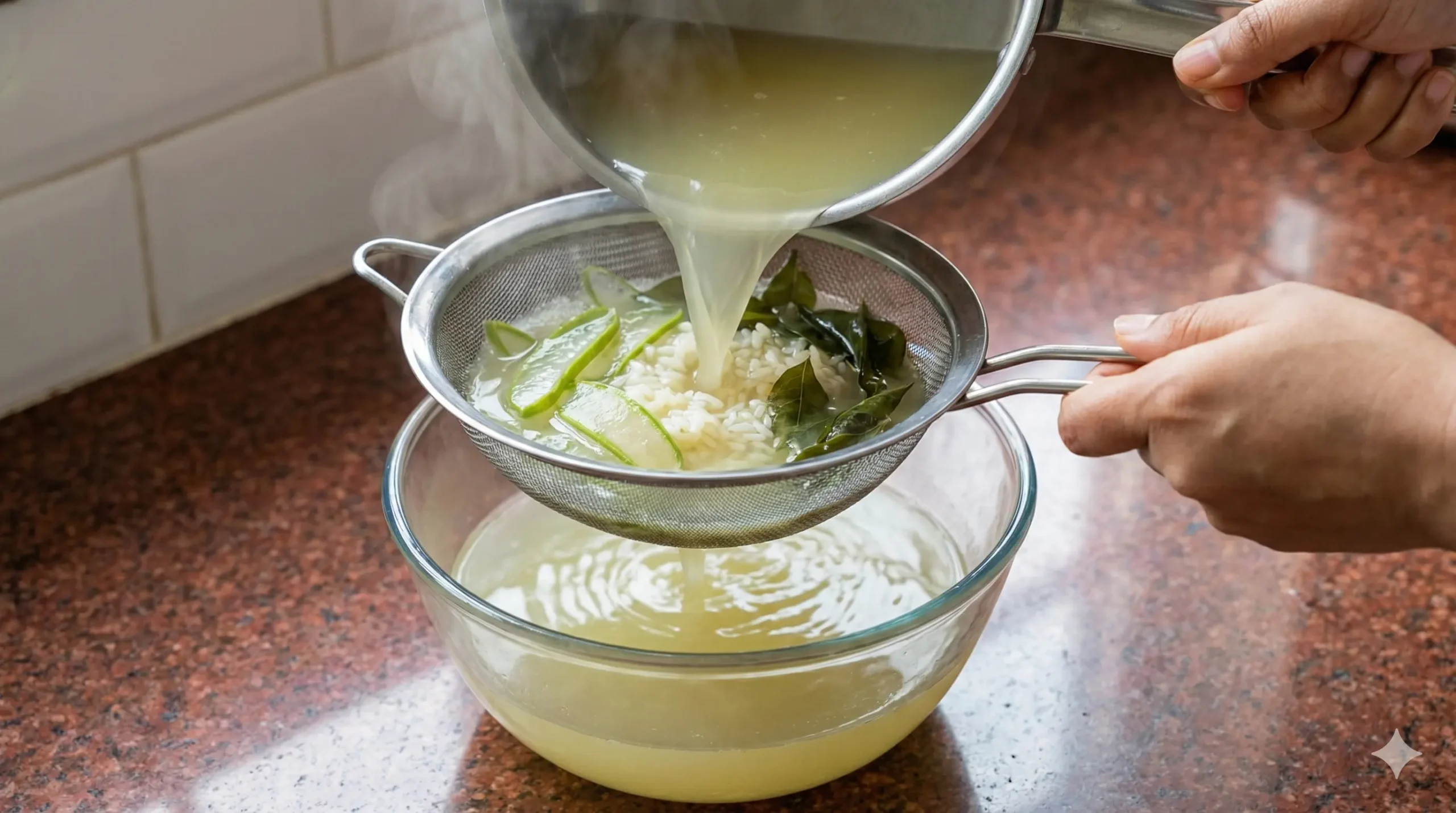
- Strain the mixture into a clean bowl and discard solids.
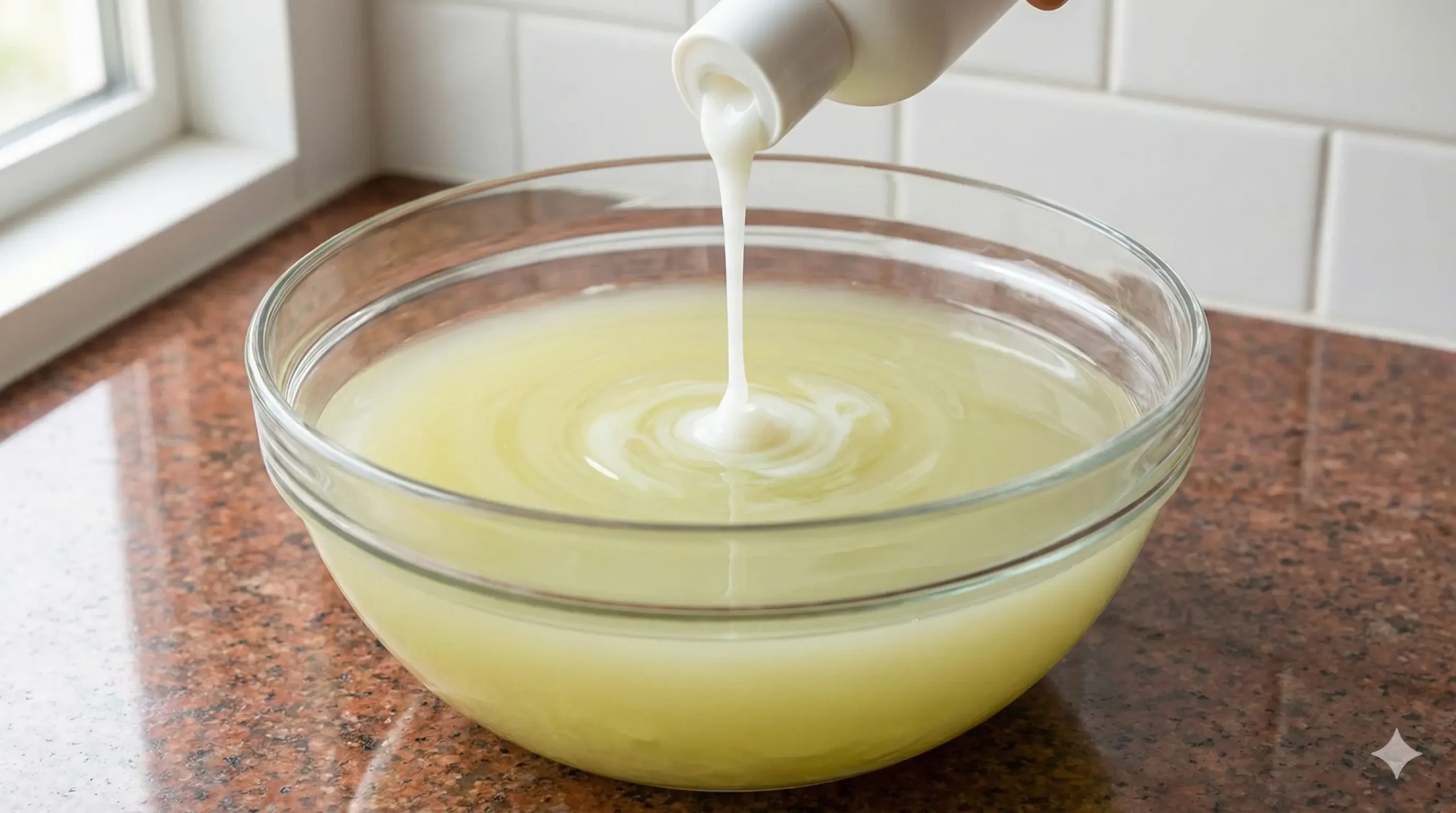
- Add 2–3 tablespoons mild shampoo and gently mix until smooth.
- Your homemade herbal shampoo is ready to use.
Step-by-Step Visual Guide
Why These Ingredients Work So Well
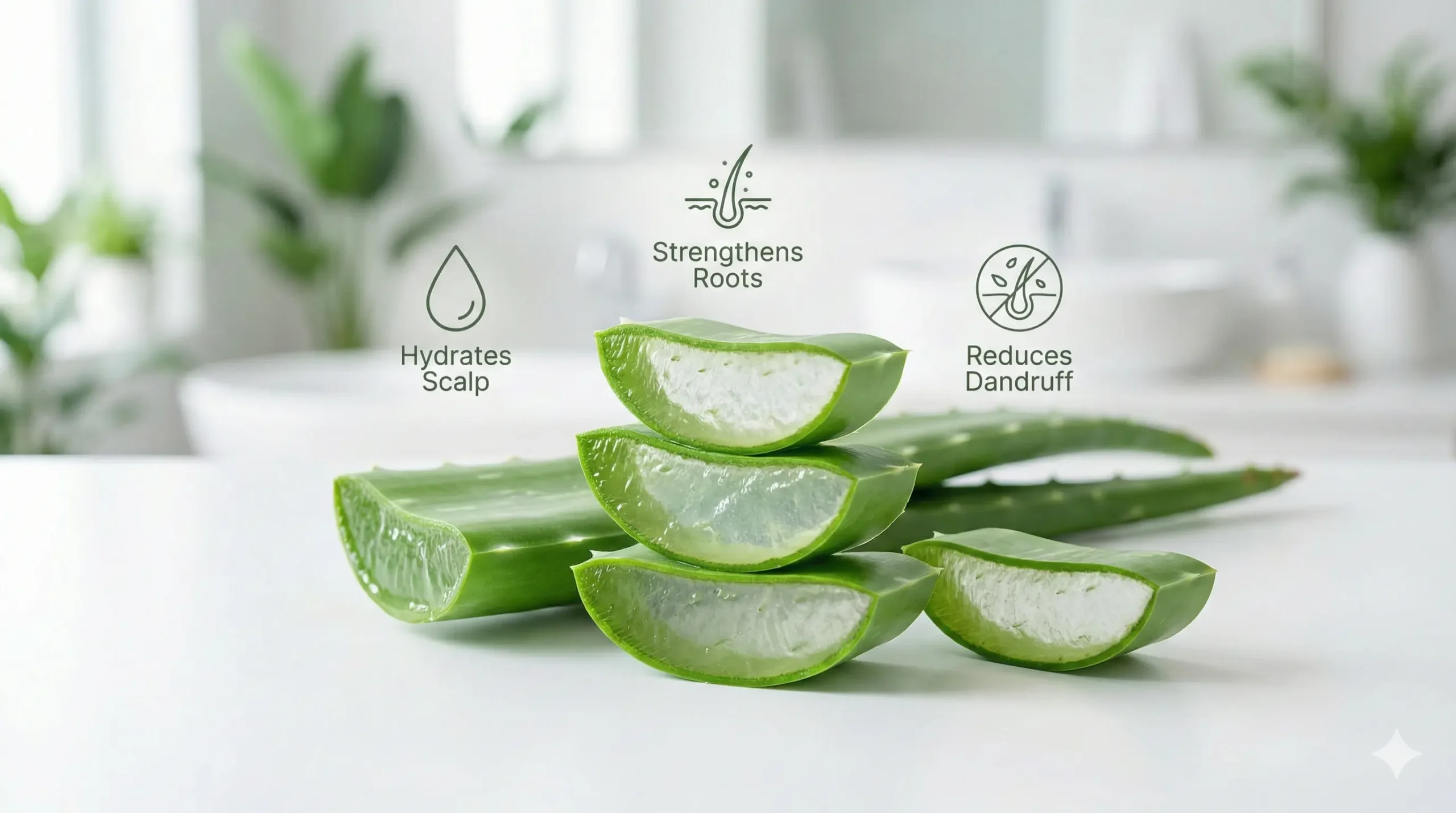 Image Credit: FemmeGlowDaily
Aloe Vera Benefits for Hair
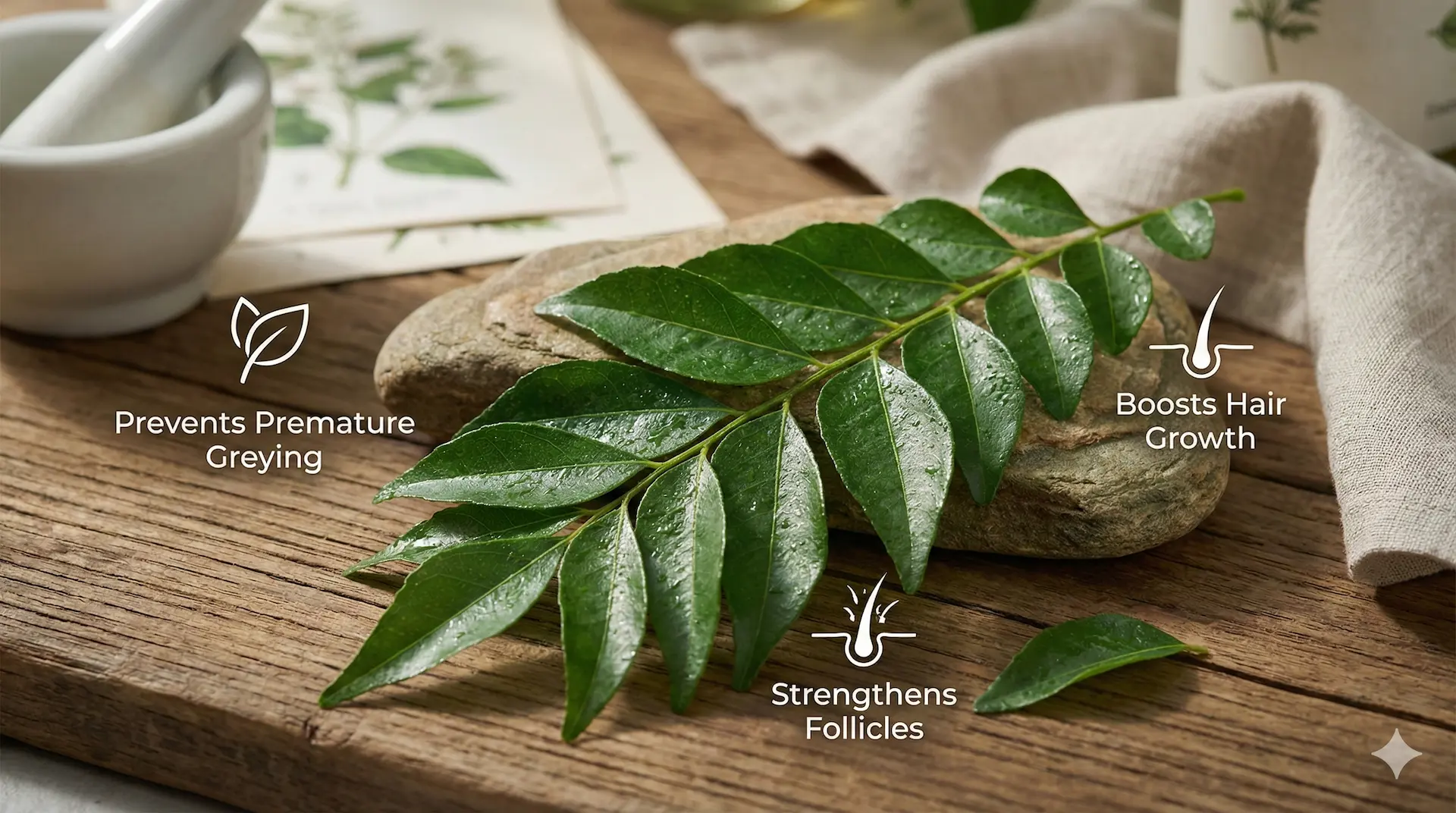 Image Credit: FemmeGlowDaily
Curry Leaves Benefits for Hair
- Prevents and slows premature greying
- Boosts natural hair growth
- Strengthens hair follicles from the root
- Rich in antioxidants and vitamins
- Reduces hair fall and thinning
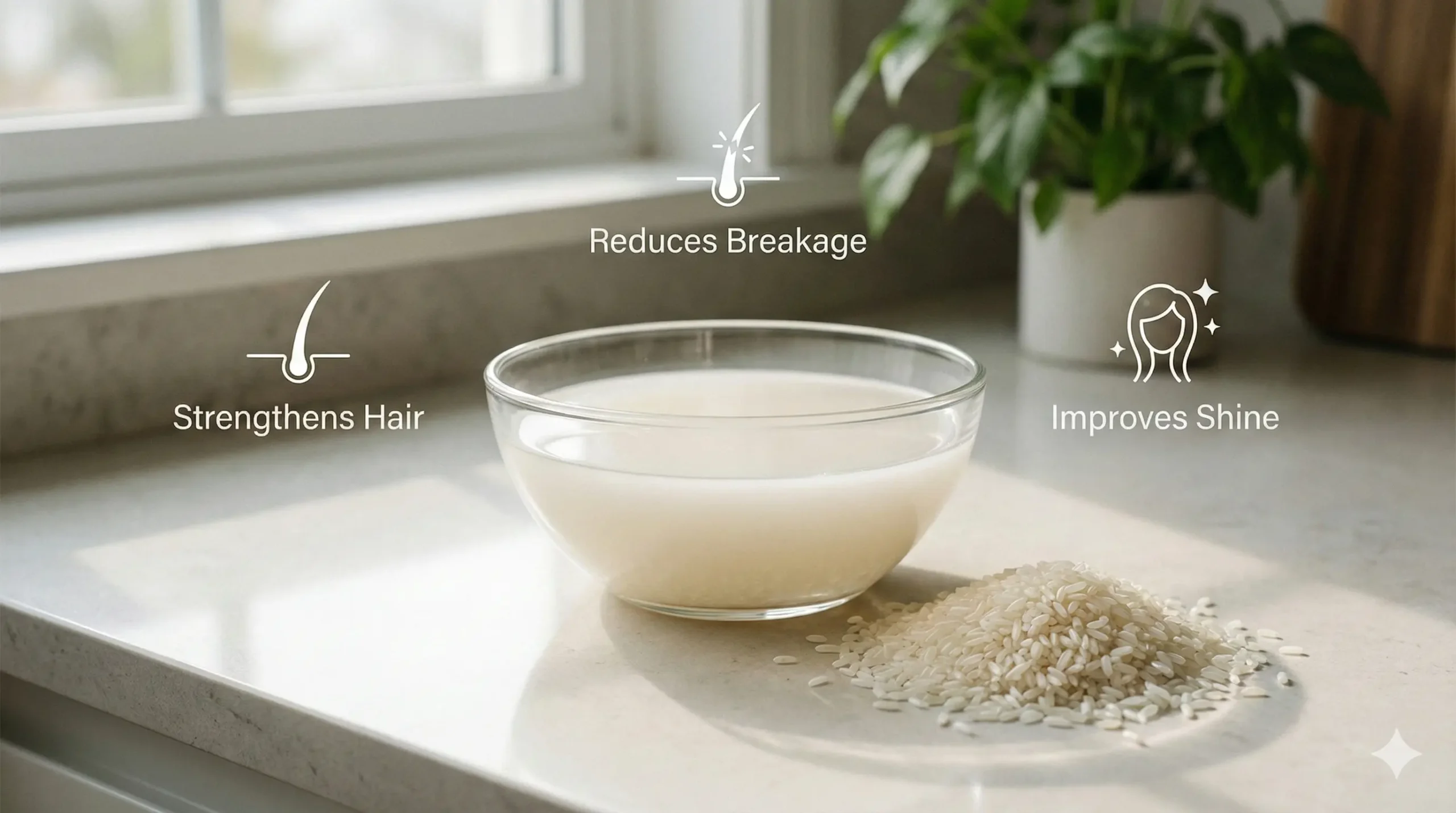 Image Credit: FemmeGlowDaily
Rice Water Benefits for Hair
- Strengthens hair shaft and reduces breakage
- Adds shine, softness, and smooth texture
- Contains inositol that repairs damaged hair
- Improves elasticity for healthier strands
- Promotes longer, thicker hair over time
How I Actually Use This Shampoo
So, the first time I made this shampoo, I honestly wasn’t sure if it would even work.
I mean—it looked a bit different from regular shampoos, and it doesn’t foam much.
But anyway, I started by wetting my hair with warm water (not hot, I learned that the hard way once).
I usually take a small amount of the shampoo in my hands and try to spread it around my scalp.
It doesn’t lather like those store shampoos but it still cleans surprisingly well.
Sometimes I massage a bit longer, like 3–4 minutes, especially when my scalp feels oily or itchy.
Aloe vera helps a lot with that, honestly.
After that, I leave it on for a few minutes… not exactly timing it, but around five minutes.
This part kinda makes the biggest difference because the curry leaves and rice water get time to do their thing.
A friend of mine tried it and said her hair felt lighter even after the first wash, so I guess it works for others too.
When I rinse it out, I don’t always use conditioner. Sometimes I just apply a tiny amount of aloe vera gel on the ends.
It’s like a DIY leave-in conditioner that works really well on frizz. This part is optional though.
If you’re dealing with hair fall or dandruff or just tired hair, using this natural herbal shampoo for hair growth
twice a week is usually enough. I wouldn’t use it daily because it’s not meant to be that type of shampoo.
Shampoos That Work Well With This DIY Mixture
Here are some gentle and effective shampoos that pair really well with this homemade aloe vera, rice, and curry leaves shampoo.
Svvimer Rosemary Hair Growth Shampoo
Infused with rosemary and biotin, this shampoo supports stronger roots and
helps promote visible hair growth over consistent use.
Mielle Organics Rosemary Mint Strengthening Shampoo
A bestselling shampoo known for reducing shedding and refreshing the scalp.
The rosemary–mint blend works beautifully with herbal routines.
Biotin & Rosemary Hair Growth Shampoo
A sulfate-free, strengthening option perfect for thinning or delicate hair.
Works well on both oily and dry scalps.
Nioxin System 2 Scalp Thickening Shampoo
A professional-grade formula that improves scalp health and helps hair appear fuller and thicker with regular use.
A Few Things I Learned Along the Way
So, here’s the thing—I realized pretty soon that this shampoo works best when it’s fresh.
I once kept it for like 3 days and it didn’t smell the same… not bad, just not “fresh fresh.”
Now I try to make only enough for two uses.
Also, you should do a quick patch test. I know it sounds unnecessary because it’s natural,
but someone messaged me saying she got a small rash because she was sensitive to curry leaves.
Didn’t expect that, but yeah, it happens sometimes.
One more thing — don’t mix it with harsh sulphate shampoos.
I did that once thinking it would foam more and honestly it felt too drying afterwards.
A mild shampoo works way better with this herbal mix.
And finally, if you have any open wounds or cuts on your scalp, avoid rubbing the shampoo too aggressively.
It’s gentle, but still, natural ingredients can sting a bit if the skin is broken.
With these few things in mind, this hair fall control herbal shampoo
becomes super easy to use and blend into your normal hair routine.
Frequently Asked Questions
Frequently Asked Questions
1. How soon will I see results with this DIY herbal shampoo?
From my experience (and from messages I get from readers), you might notice less breakage within 2 weeks and better texture in about 4–6 weeks.
Don’t expect overnight miracles — this is a natural hair growth shampoo, so consistency matters.
If your hair is very damaged, give it at least 8–12 weeks for clearer changes.
2. Is this safe for children and sensitive scalps?
Generally yes — many parents use it for kids with lice or mild dandruff — but PLEASE do a patch test first.
A small number of people can react to curry leaves or aloe, so test a tiny amount behind the ear and wait 24 hours.
If any redness or itching appears, don’t use it.
3. Can this shampoo stop or reverse greying?
Short answer: it may help slow premature greying for some people, mainly because curry leaves are rich in nutrients that support pigment.
But it’s not a guaranteed reversal for long-established grey hairs.
Think of it as a preventative/supportive natural hair care method, not a magical cure.
4. How should I store the shampoo and how long does it last?
Store in a clean, airtight jar in the refrigerator and use within 24–48 hours.
I try to make just enough for two washes — anything beyond that loses its potency and fresh smell.
If it smells off or looks cloudy in a new way, toss it.
5. Which shampoo base is best to use with this herbal mix?
Use a mild, sulfate-free shampoo as the base — something gentle and paraben-free.
That keeps the formula balanced and avoids stripping the natural oils the aloe is trying to preserve.
I avoid strong clarifying shampoos on wash days when I use this herbal treatment.
=========================== –>Final Thoughts
I started using this aloe-rice-curry leaves shampoo because I wanted a simple, inexpensive, and natural way to help my thinning hair.
It’s not perfect for everyone, but most people who stick with it for a few weeks see less breakage, fewer flakes, and a happier scalp.
If you’re tired of chemical-heavy products, give this DIY herbal shampoo for hair growth a fair try — make small batches, patch test, and be consistent.
If you try it, come back and tell me what changed — I read every message and love hearing your before-and-after stories.

Beauty & haircare blogger with 10+ years of hands-on experience in herbal remedies and DIY treatments. Manisha tests every recipe herself and shares practical tips that work for real life (not just lab-perfect results).
Want insider access to the latest haircare product picks and glow-boosting tips?
 Subscribe to our GlowList
Affiliate Disclaimer
This post contains affiliate links. If you click a link and make a purchase, we may earn a small commission at no extra cost to you. Thank you for supporting FemmeGlowDaily and helping us create more free content.