Chia Seeds Benefits: My Honest Journey with This Tiny Superfood
Let me take you back to 2021. I was 26, working 12-hour days at a digital marketing agency in Austin, surviving on iced oat milk lattes, takeout poke bowls, and zero sleep. My skin was dull and flaky, my hair was falling out in the shower (yes, in actual clumps), and I had this constant bloating that made every pair of high-waisted jeans feel like a personal attack.
I’d tried everything — green juices from JuiceLand, $180 “glow” supplements from Goop, a 30-day yoga challenge on YouTube, even a $300 facial at Milk + Honey — but nothing stuck. One Sunday, my mom FaceTimed from New York with a small glass jar on her kitchen counter. “Try these, Manisha,” she said. “Just two spoons in water before bed. My friend’s daughter in LA swears by it.”
Those were chia seeds. And honestly? I rolled my eyes so hard I nearly pulled a muscle. How could something that looked like bird food or frog eggs fix anything? I’d seen them on Instagram, sure — in pretty smoothie bowls with captions like “GLOW FROM WITHIN” — but I figured it was just another wellness influencer gimmick. I thanked her, tossed the jar in my pantry next to the quinoa I never cooked and the almond flour I bought during a keto phase, and forgot about it.
Three months later, I found it again while cleaning out expired protein powder and half-used adaptogens. Desperate and out of options, I finally tried it: 1 tablespoon in a glass of water, stirred with a spoon, and left on my nightstand. The next morning? I woke up… regular.
No bloating. No stomach ache. No 3 AM Tums run. I thought it was a fluke. But I kept going. Fast forward four years. I’m 30 now, and that same jar (well, the 27th refill from Thrive Market) has a permanent spot on my kitchen counter, right next to my cold brew maker and my Stanley tumbler.
My skin has improved, I feel lighter, and I haven’t bought Tums or Pepto in over two years. I even started running 5K in the mornings along Lady Bird Lake — something I never thought I’d do. I still drink my mom’s “magic water” every night before bed. It’s become my little ritual, like brushing my teeth, charging my phone, or setting my alarm for 6:30 AM.
This isn’t just another health article filled with buzzwords, stock photos, and affiliate links. It’s my honest take on chia seeds — the tiny superfood that quietly made a real difference in my life. And if you’re curious, tired of fad diets, or just looking for something simple that actually works, I’ll show you exactly how it can work for you too. No hype. No miracles. Just real results, backed by science, my own experience, and stories from hundreds of readers across the U.S. who’ve tried it.
What’s Actually Inside These Little Black Dots? A Deep Dive into the Nutrition
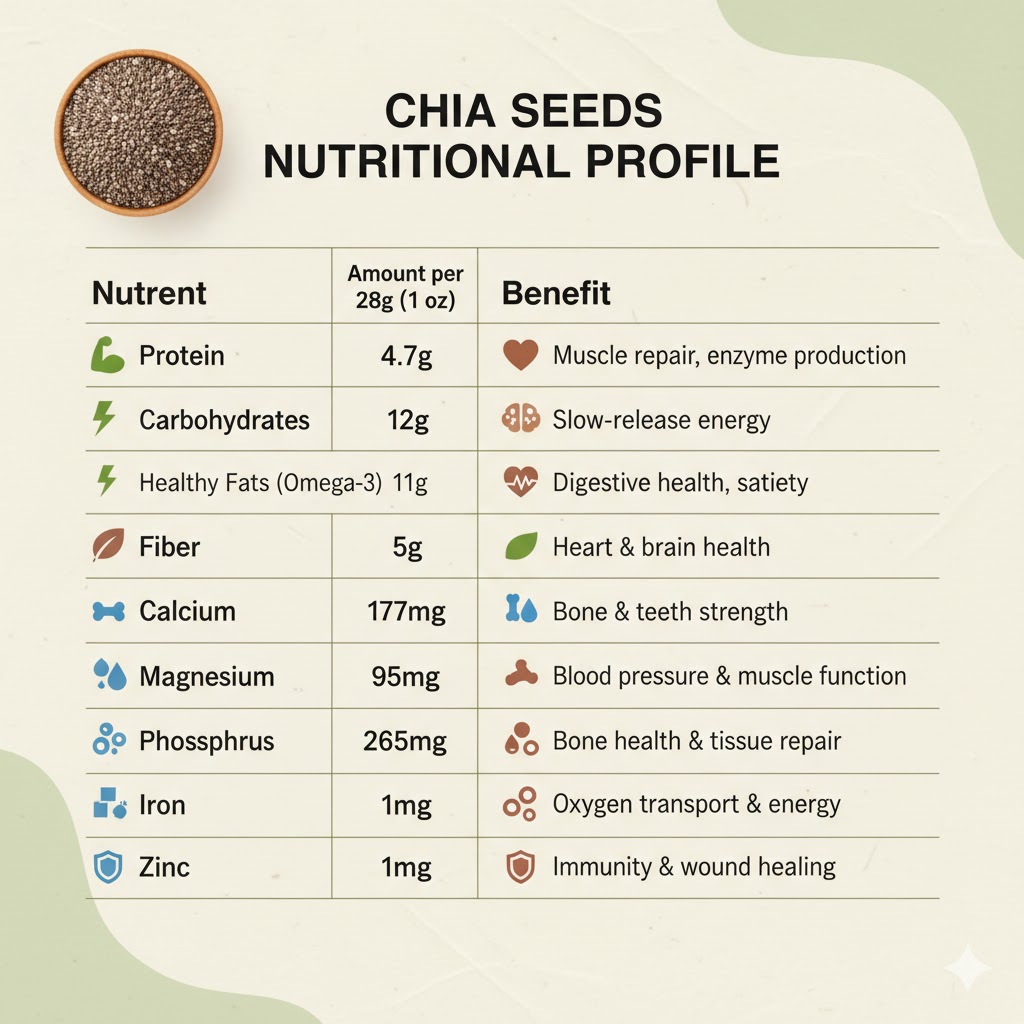
I used to skip nutrition labels entirely. If it came in a cute package from Whole Foods or had “superfood” on the label, I bought it. Then I started paying attention to chia seeds, and the numbers surprised me. Two tablespoons (about 28g) contain a surprising amount of nutrition — more than most “superfoods” I’d tried at Erewhon or Sprouts. Let’s break it down in detail: macronutrients, micronutrients, antioxidants, and how chia compares to other seeds you might already have in your pantry.
Macronutrients: The Foundation of Energy, Fullness, and Recovery
Chia seeds are about 42% carbohydrates, 30% fat, and 14% protein by weight. But not all macros are created equal. Here’s what makes chia’s profile special:
- Protein (5g per 2 tbsp): This isn’t just any protein — it’s plant-based and contains all nine essential amino acids in small but meaningful amounts. For vegetarians, vegans, or anyone trying to cut back on chicken, eggs, or whey, this is a game-changer. The protein supports muscle repair after Pilates, barre, or HIIT classes, hormone production like estrogen and thyroid hormones, enzyme function, and immune health. Unlike whey or casein, it’s gentle on the stomach, cholesterol-free, and doesn’t cause bloating. A 2022 study in Nutrients found that plant-based proteins like chia improved muscle recovery in athletes when consumed within 30 minutes post-workout, reducing soreness by up to 20%.
- Dietary Fiber (10g per 2 tbsp): This is where chia seeds truly shine. That’s nearly 40% of the daily recommended intake for adults (25–30g). The fiber is a mix of soluble (forms a gel in water) and insoluble (adds bulk to stool). Soluble fiber slows digestion, stabilizes blood sugar, and feeds beneficial gut bacteria like Bifidobacterium and Lactobacillus. Insoluble fiber promotes regular bowel movements and prevents constipation. Together, they create a powerful digestive duo. Research shows that just 10g of chia fiber daily can increase stool frequency by 30% in those with irregular habits, and improve gut microbiome diversity within 4 weeks.
- Healthy Fats (9g per 2 tbsp): Over 60% of the fat is alpha-linolenic acid (ALA), a plant-based omega-3 fatty acid. That’s 5g of omega-3s per serving — more than a 100g fillet of wild-caught salmon. The rest includes omega-6 and omega-9. This 3:1 omega-3 to omega-6 ratio is one of the best in the plant kingdom, supporting brain health, reducing systemic inflammation, and improving skin hydration. A 2023 review in Frontiers in Nutrition confirmed that ALA from chia seeds reduces inflammatory markers like C-reactive protein (CRP) by up to 25% over 12 weeks, especially in women over 30.
Micronutrients: The Minerals Your Body Craves Daily
Chia seeds are a mineral powerhouse. Here’s what you get in just 2 tablespoons:
- Calcium (18% DV): More calcium per gram than most dairy products. Provides 177mg per serving. Essential for bone density, muscle contraction, nerve signaling, blood clotting, and hormone secretion. Perfect for vegans, lactose-intolerant individuals, or postmenopausal women at risk of osteoporosis. A study in Osteoporosis International found that plant-based calcium from seeds improved bone mineral density by 2–3% over 12 months in women aged 50+.
- Magnesium (30% DV): 95mg per serving. Involved in over 300 enzymatic reactions. Regulates blood pressure, supports muscle and nerve function, improves sleep quality by calming the nervous system, aids energy production in mitochondria, and reduces migraine frequency. Deficiency is common in modern diets — chia seeds are a natural, bioavailable source that doesn’t require a supplement.
- Phosphorus (27% DV): 265mg per serving. Second most abundant mineral in the body. Critical for bone and teeth formation, DNA and RNA synthesis, cellular energy (ATP production), and acid-base balance. Works synergistically with calcium for strong skeletal health and prevents soft tissue calcification.
- Iron (12% DV): 2.2mg per serving. Plant-based, non-heme iron. Helps prevent iron-deficiency anemia, supports oxygen transport in red blood cells, and combats fatigue and brain fog. Absorption is significantly enhanced when consumed with vitamin C-rich foods like strawberries, oranges, bell peppers, or a splash of lemon in your water.
- Zinc (12% DV): 1.3mg per serving. Boosts immune function by supporting T-cell production, accelerates wound healing, supports DNA formation, and promotes healthy skin and hair. Also plays a role in taste and smell perception — ever notice food tastes better when you’re not stressed?
- Manganese (34% DV), Copper (9% DV), Potassium (2% DV): Present in smaller but significant amounts. Manganese supports antioxidant defense and bone formation. Copper aids in iron absorption and collagen production. Potassium helps regulate fluid balance, nerve signals, and muscle contractions — especially helpful after a sweaty OrangeTheory class.
Antioxidants: Nature’s Anti-Aging and Anti-Inflammatory Shield
Chia seeds are rich in polyphenol antioxidants including quercetin, kaempferol, chlorogenic acid, caffeic acid, and rosmarinic acid. These compounds neutralize free radicals — unstable molecules that damage cells, accelerate aging, and contribute to chronic diseases like heart disease, Alzheimer’s, and certain cancers. The antioxidant capacity of chia seeds is comparable to blueberries, goji berries, and 70% dark chocolate.
Research published in Food Chemistry found that chia seed extracts inhibited lipid peroxidation by up to 70% in lab tests — meaning they protect your cells from oxidative damage. Another study showed that regular consumption reduced oxidative stress markers by 15–20% in adults over 40. The antioxidants also protect the delicate omega-3 fats in chia seeds from going rancid, contributing to their impressive 2–4 year shelf life without refrigeration. No need to store them in the fridge like flaxseeds.
The 7 Real Benefits of Chia Seeds (Science-Backed + Real-Life Stories)
I’ve seen these benefits in my own life and heard them from hundreds of readers across the U.S. Each one is supported by clinical research, traditional use, and real-world results. Let’s go through them one by one.
1. Better Digestion and Less Bloating
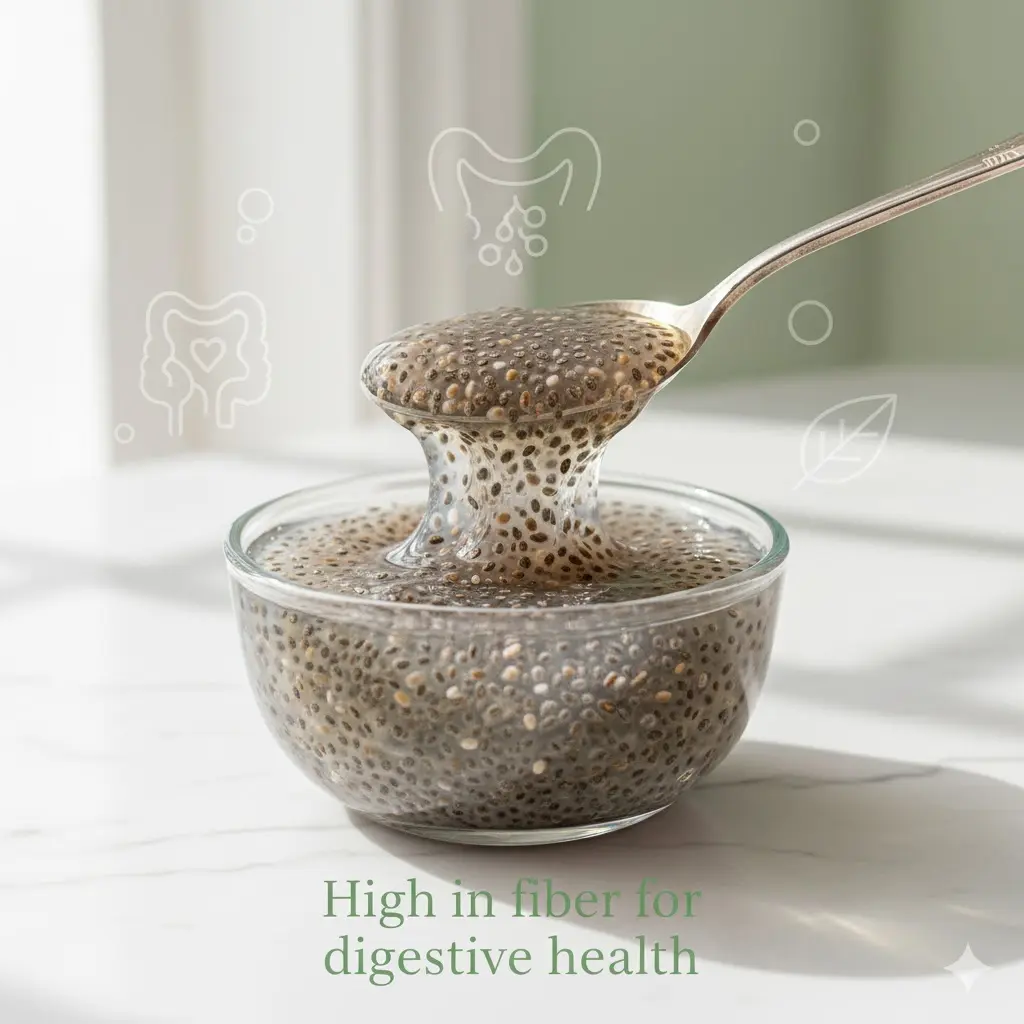
The high fiber content is the star here. That 10g per serving includes both soluble and insoluble fiber. Soluble fiber forms a gel in the stomach, slowing digestion and feeding beneficial gut bacteria. Insoluble fiber adds bulk to stool, promoting regular bowel movements and preventing constipation.
Many people notice less bloating and more consistent digestion within 7–10 days. A 2022 randomized trial in Nutrients found that 25g of chia seeds daily increased bowel movement frequency by 35% and reduced laxative use in adults with chronic constipation. Another study showed improved gut microbiome diversity within 4 weeks, leading to better overall gut health.
My friend Sarah in Seattle used to rely on fiber supplements every morning before her commute. After switching to 1 tbsp chia in her overnight oats, she ditched the pills completely. “I finally feel normal again,” she texted me. “No more emergency bathroom runs before Zoom calls.”
2. Supports Heart Health and Cholesterol Management
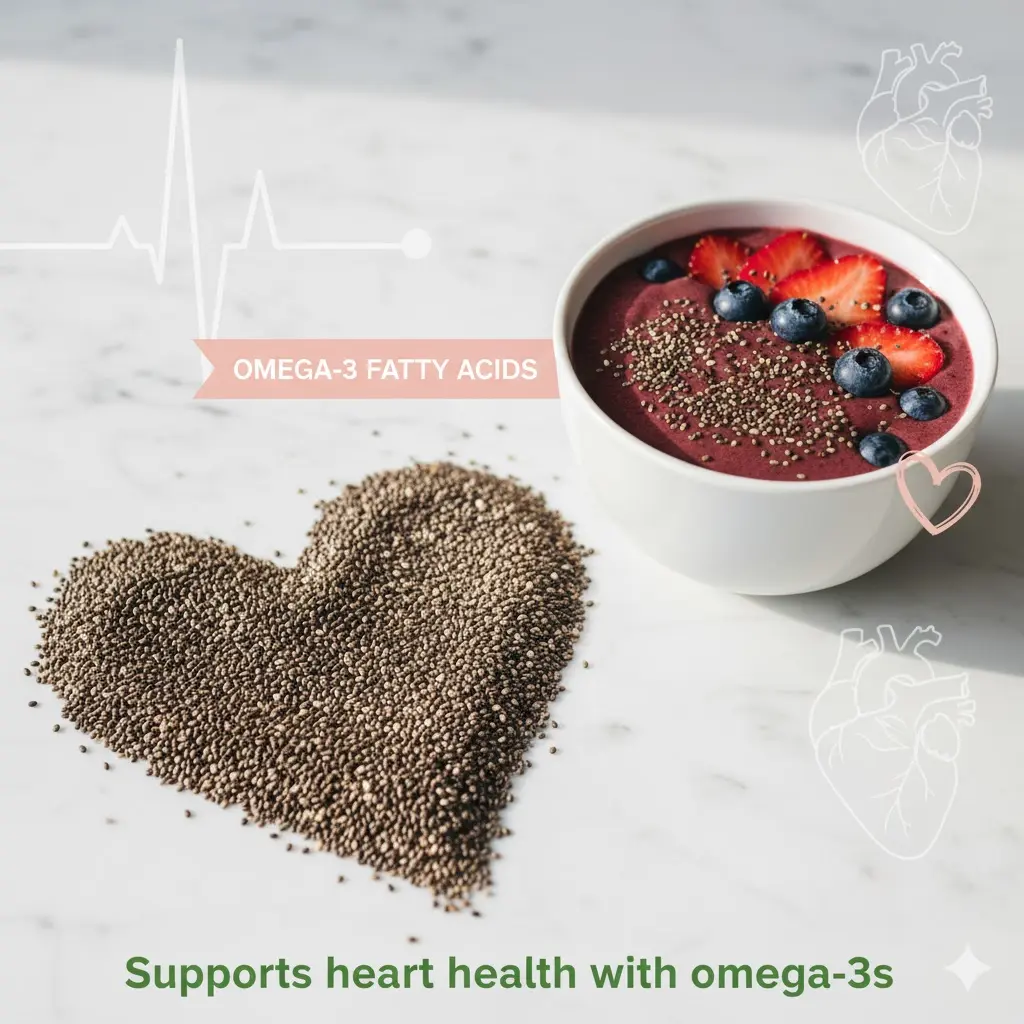
Chia seeds offer multiple heart-protective mechanisms. The omega-3 ALA reduces inflammation in blood vessels and improves arterial flexibility. Soluble fiber binds to bile acids and cholesterol in the digestive tract, preventing reabsorption. The liver then uses more circulating cholesterol to produce bile, lowering LDL levels. Antioxidants prevent LDL oxidation — a key step in atherosclerosis.
A 2023 meta-analysis in Nutrients involving over 60,000 participants found that regular ALA intake from plant sources like chia reduced cardiovascular events by up to 10% in high-risk individuals. A randomized controlled trial in Journal of the American College of Nutrition showed 25g of chia seeds daily reduced LDL by 11% and increased HDL by 6% in adults with metabolic syndrome over 12 weeks.
My dad in Chicago had high cholesterol and was facing statins. His doctor suggested trying diet first. He added 2 tbsp chia to his morning smoothie with banana and almond milk. Three months later, his LDL dropped 28 points from 148 to 120. His cardiologist was impressed — and so was he. He still eats chia every morning with his Greek yogurt and berries.
3. Helps with Weight Management and Appetite Control
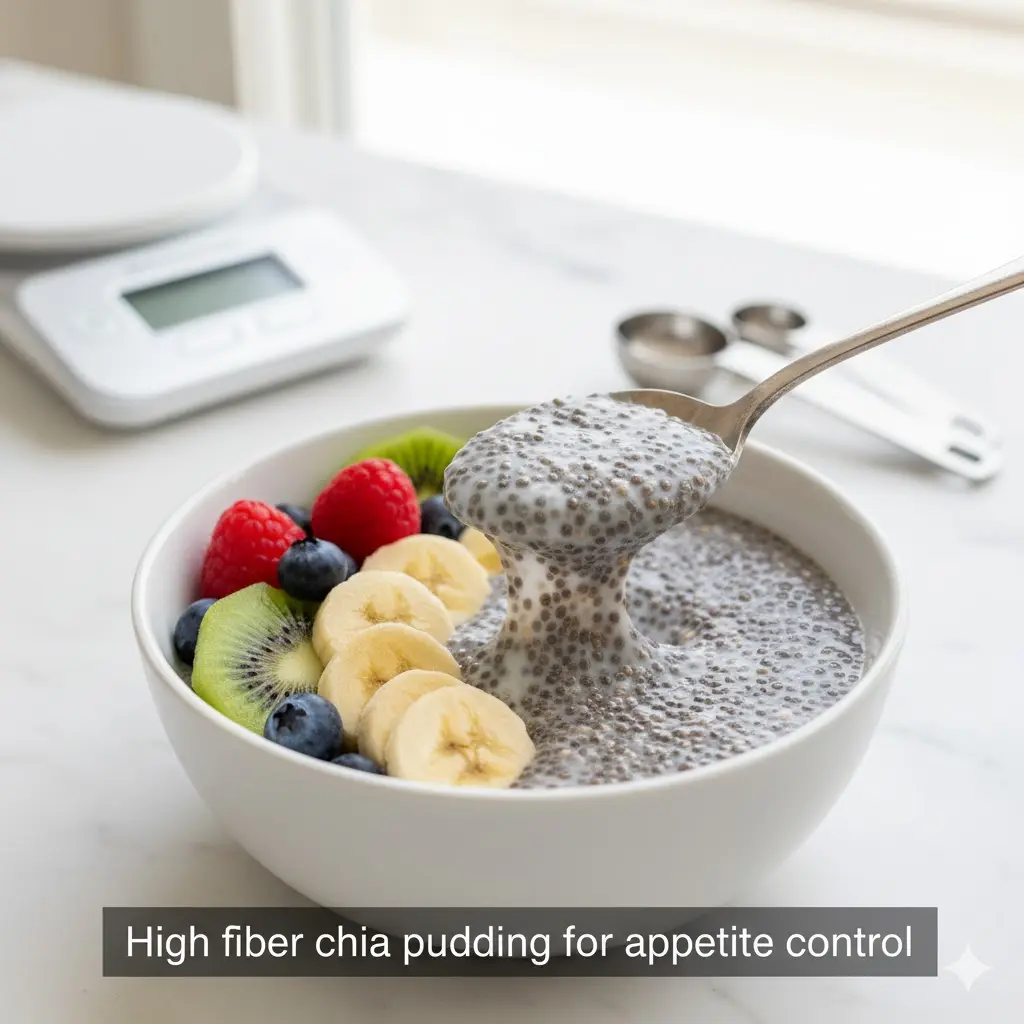
The gel-forming fiber expands in your stomach up to 12 times its size, creating a physical sensation of fullness. This sends signals to the brain to reduce hunger hormones like ghrelin. Protein and healthy fats further enhance satiety, delaying gastric emptying and reducing cravings.
A study in Appetite found participants who consumed chia gel before meals ate 25% fewer calories at lunch and reported greater satisfaction. Another 2024 trial in Diabetes, Obesity and Metabolism showed reduced post-meal glucose spikes by 35% and insulin response by 20% in overweight individuals.
My coworker Jess in Denver replaced her 3 PM vending machine run with chia pudding in a mason jar. She lost 9 lbs in 2 months without feeling deprived. “It’s like dessert, but it keeps me full till dinner,” she said. Now she brings it to the office every day and even got her team hooked.
4. Strengthens Bones and Teeth with Plant-Based Minerals
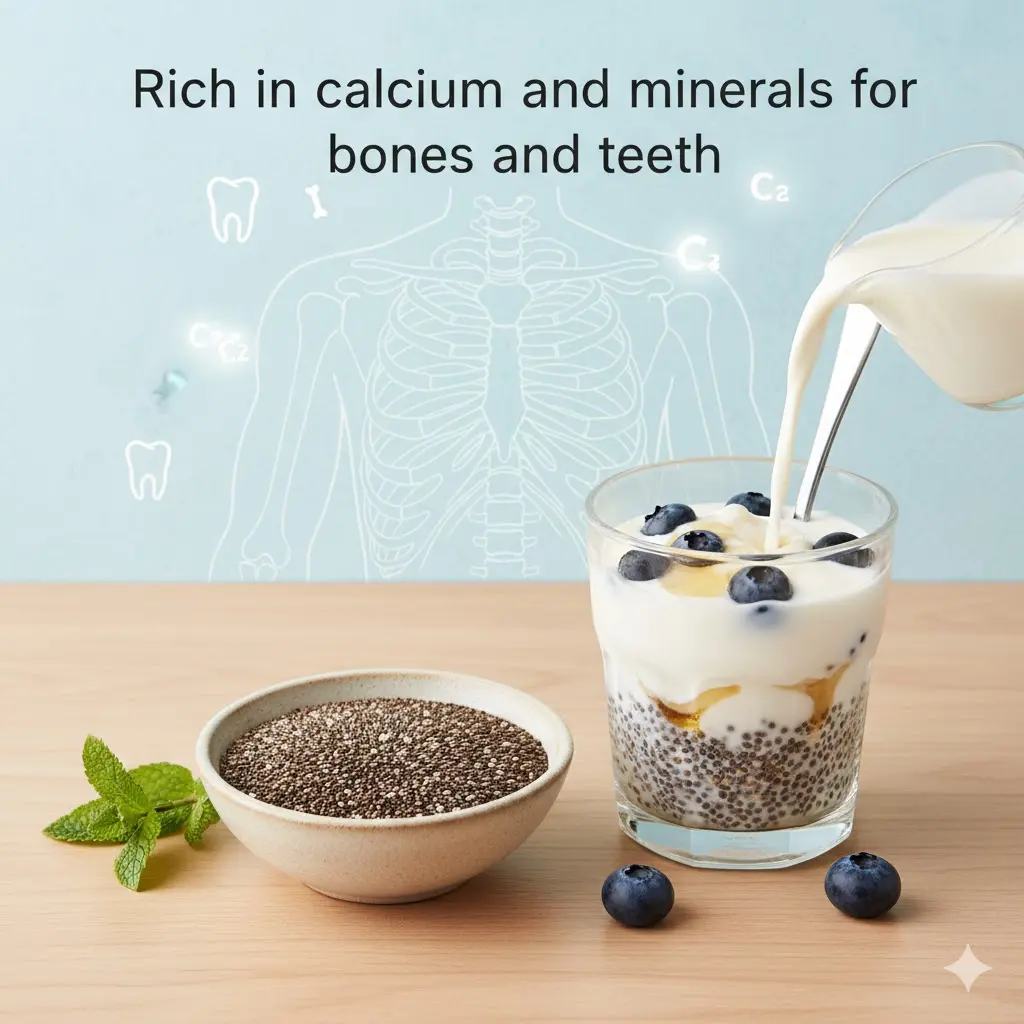
Chia seeds are one of the richest plant-based sources of calcium, magnesium, and phosphorus — all essential for bone mineralization and teeth strength. Protein supports collagen formation in bones, improving flexibility and reducing fracture risk.
A study in Osteoporosis International found that higher dietary calcium from plant sources like chia improved bone mineral density by 2–3% in older adults over 12 months. Magnesium activates vitamin D, helping deposit calcium into bones rather than soft tissues.
My neighbor Lisa, a vegan in Portland, used to have brittle nails and frequent dental issues. After adding chia to her almond milk latte every morning, her nails grew stronger and she had fewer cavities at her checkups. Her dentist asked what changed — she said, “Just seeds and better hydration habits.”
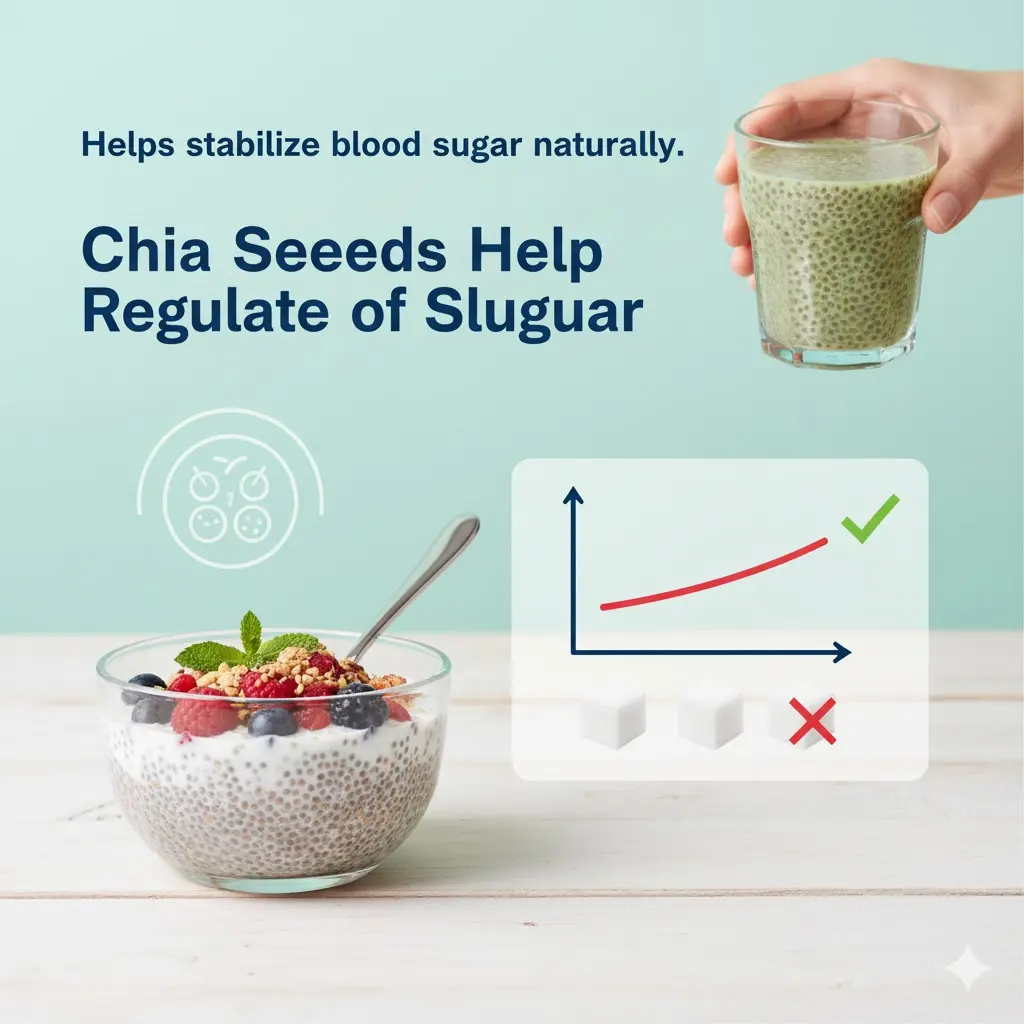
5. Helps Stabilize Blood Sugar and Reduce Cravings
The gel matrix traps carbohydrates and sugars, releasing glucose slowly into the bloodstream. This reduces the glycemic load of meals and prevents dangerous spikes. Omega-3s and antioxidants reduce insulin resistance. Fiber feeds gut bacteria that produce anti-inflammatory compounds, further improving glucose metabolism.
A study in Diabetes Care showed 25g of chia seeds daily reduced HbA1c by 0.5% and fasting blood sugar by 12% in type 2 diabetics over 6 months. Another trial found improved insulin sensitivity in prediabetic adults.
My client Mike in Miami used to crash at 2 PM and hit the office candy bowl. He started keeping chia energy balls in his desk drawer. “No more sugar crashes,” he said. “My focus is actually better now.” He even shared the recipe with his team during a lunch-and-learn.
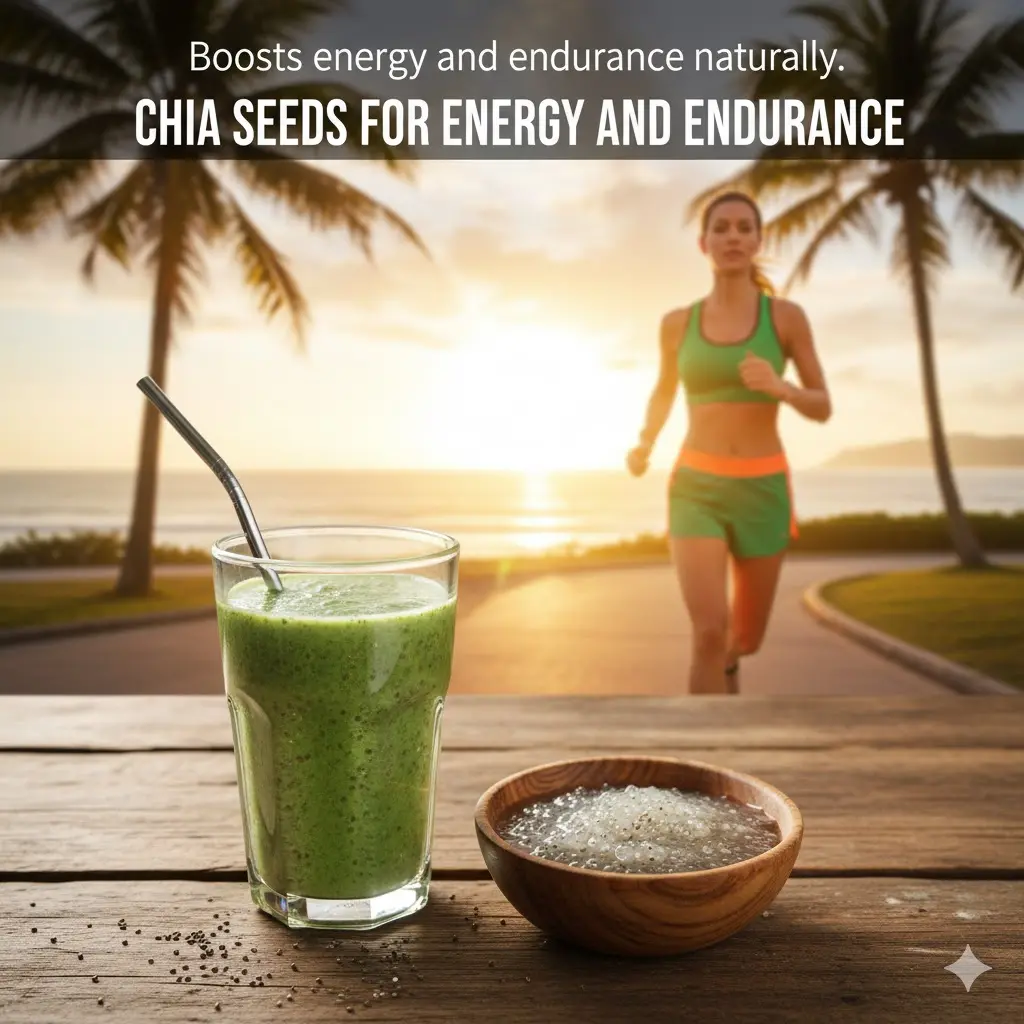
6. Provides Sustained Energy and Better Endurance
Slow-release complex carbs provide steady fuel for hours without the crash of simple sugars. The gel helps maintain hydration and electrolyte balance during exercise. Protein aids muscle recovery and reduces soreness.
A study in Journal of Strength and Conditioning Research found athletes consuming chia before endurance events improved time-to-exhaustion by 15% compared to sports drinks alone. Another trial showed reduced muscle soreness when chia was consumed post-workout.
I started with 2-mile walks around my neighborhood. After adding chia water 30 minutes before, I was running 5K within a month. The energy is steady — no jitters, no crash. Now it’s my morning therapy before answering emails and hopping on client calls.
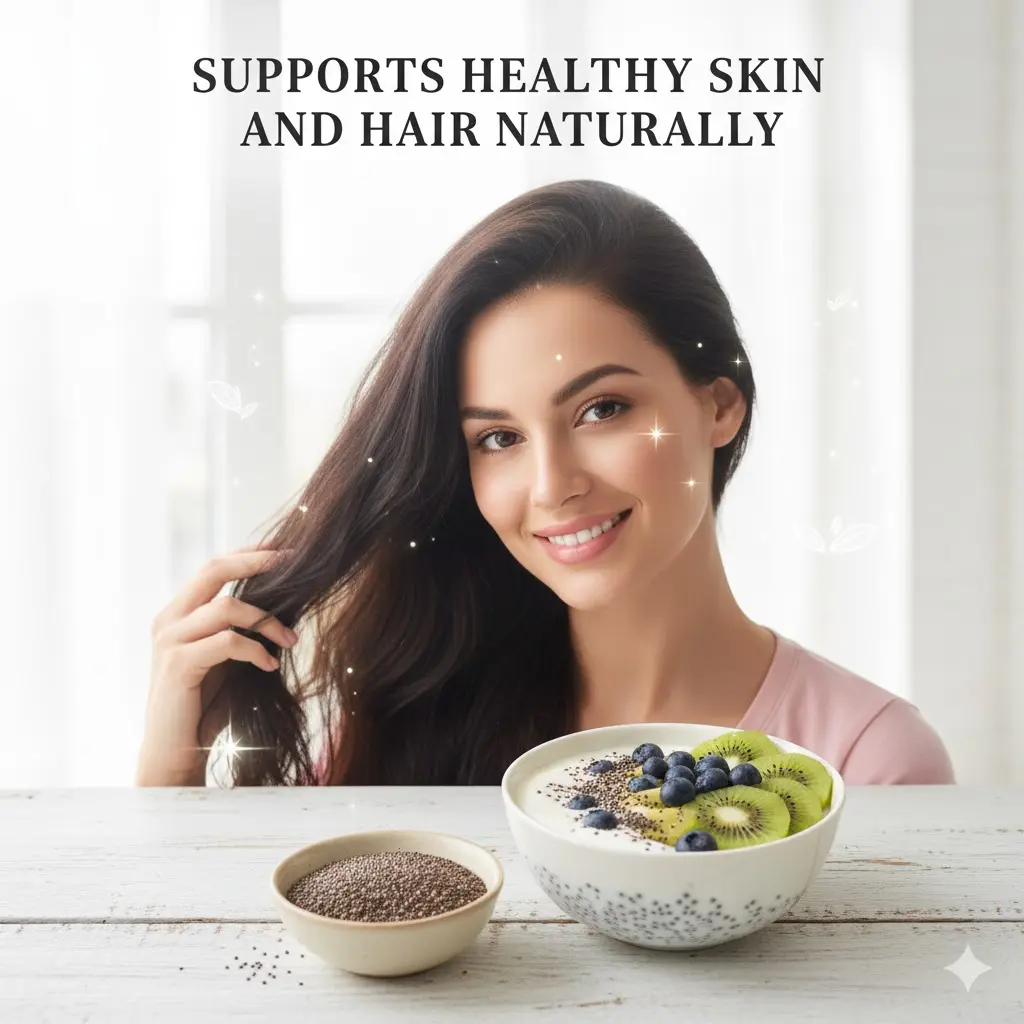
7. Promotes Healthier Skin and Hair from the Inside Out
Omega-3s reduce inflammation and strengthen the skin’s lipid barrier, locking in moisture. Antioxidants protect against UV damage, pollution, and stress. Zinc and protein support collagen synthesis and hair follicle health.
A study in Journal of Cosmetic Dermatology linked higher antioxidant intake to improved skin hydration and reduced wrinkle depth over 8 weeks. Another found omega-3 supplementation reduced acne severity by 42% in adults with mild to moderate acne.
My reader Emily in Boston had dry, flaky skin despite using expensive creams from Sephora. After 3 months of daily chia in her smoothies, she said, “My morning routine finally works. My skin drinks up moisturizer now.” She also noticed less hair fall in the shower — a bonus she wasn’t expecting.
How to Add Chia Seeds to Your Day: 12 Practical, Delicious, and Foolproof Ways
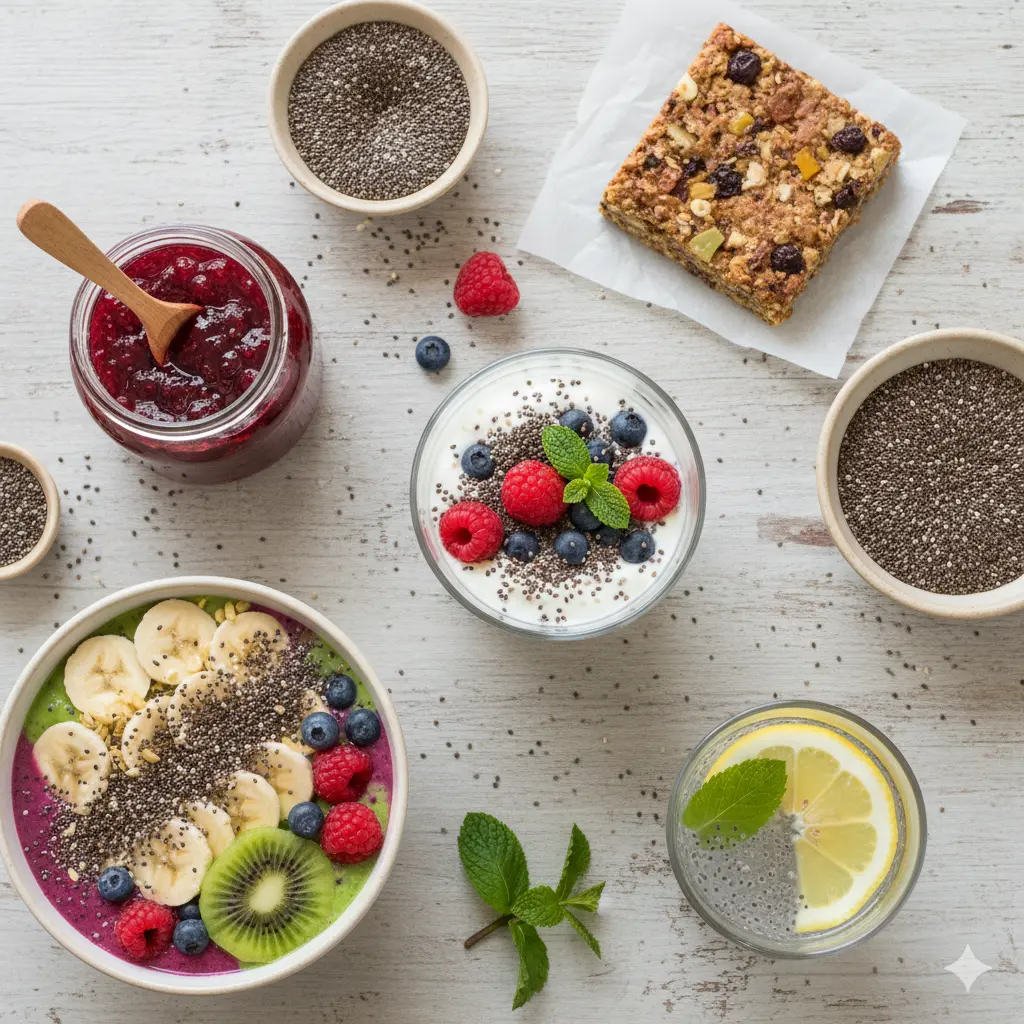
Chia seeds are one of the most versatile superfoods. Here are my favorite methods, with exact recipes, measurements, and tips I’ve learned over four years:
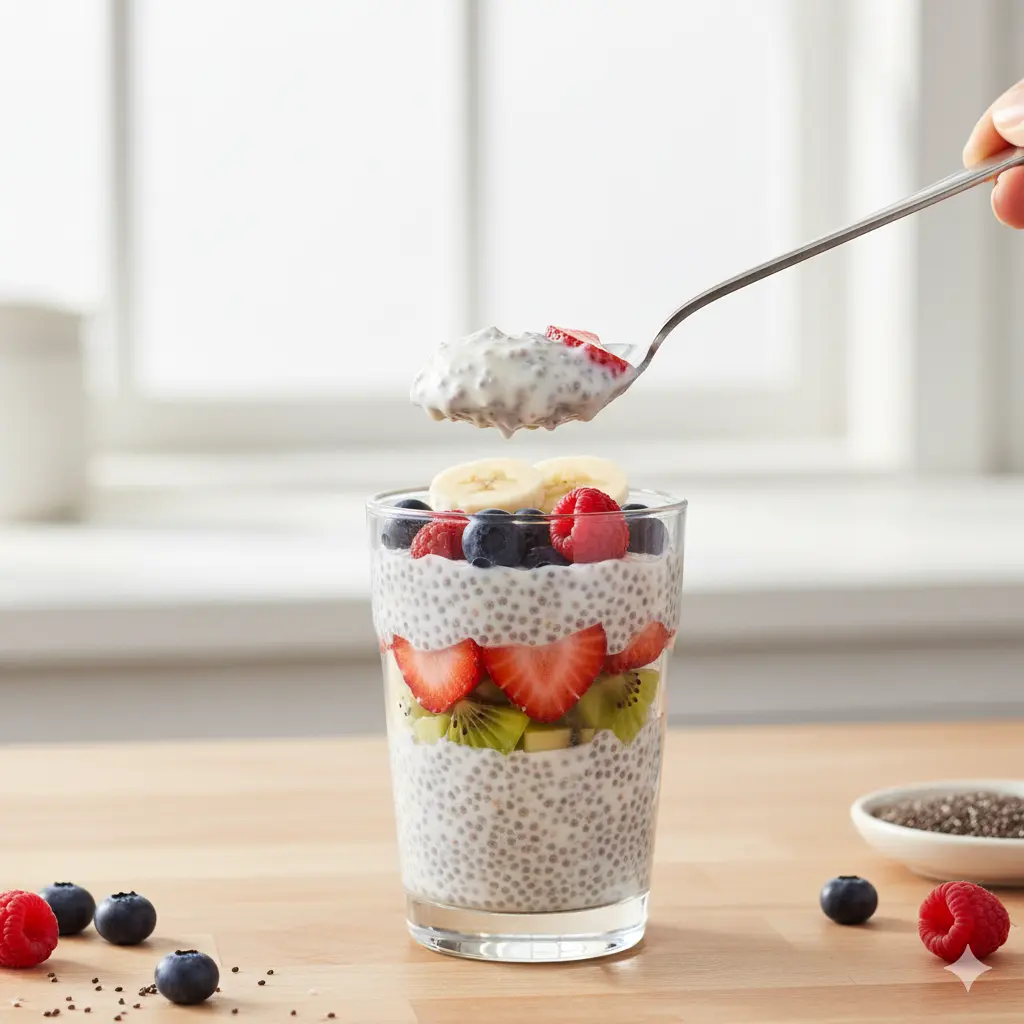
1. Overnight Chia Pudding (My Breakfast Staple)
Mix 3 tbsp chia seeds with 1 cup almond milk, 1 tsp vanilla extract, and 1 tsp maple syrup. Stir well to prevent clumping, cover, and refrigerate 6–8 hours or overnight. In the morning, top with fresh berries, a tablespoon of almond butter, and a sprinkle of granola. Makes 2 servings. Approximately 250 calories, 12g fiber, 8g protein per serving.
2. Green Power Smoothie (Mid-Morning Energy Boost)
Blend 1 ripe banana, 1 cup baby spinach, 1 tbsp pre-soaked chia seeds, 1 cup oat milk, 1 tsp almond butter, and a pinch of cinnamon. Soak the chia in 2 tbsp water for 10 minutes first to avoid clumping. Creamy, nutrient-packed, and keeps you full for 4 hours. 15g fiber, 8g protein.
3. Chia Egg Substitute in Baking (Vegan-Friendly)
Mix 1 tbsp ground or whole chia seeds with 3 tbsp water. Let sit 15 minutes until it forms a gel. Use as a 1:1 replacement for 1 egg in muffins, pancakes, cookies, or brownies. Adds fiber and omega-3s without changing taste or texture.
4. Sprinkle on Everything (Zero Effort)
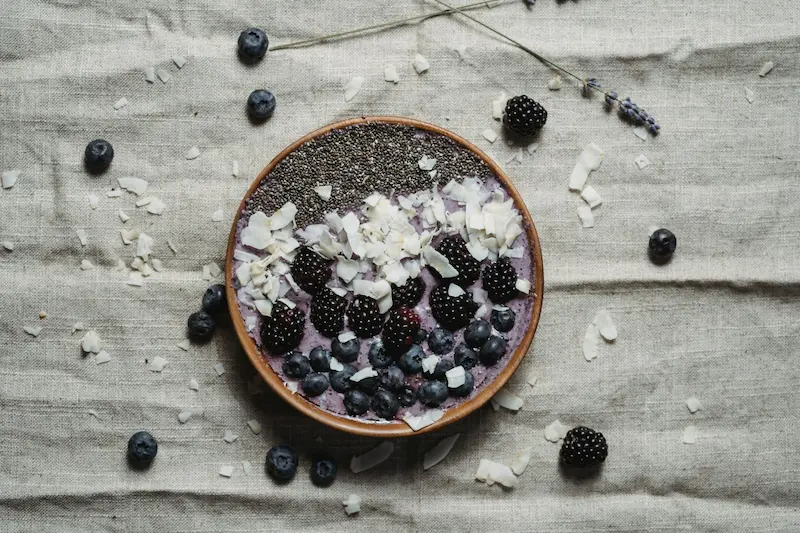
Add 1–2 teaspoons to oatmeal, Greek yogurt, salads, avocado toast, or smoothie bowls. No preparation needed. Instant nutrition boost without altering flavor.
5. Chia Fresca (Hydrating Energy Drink)
Mix 1 tbsp chia seeds in 2 cups cold water with juice of 1 lemon, a pinch of sea salt, and 1 tsp honey. Stir and let sit 10 minutes. The seeds will float and form a refreshing, electrolyte-rich drink. Perfect for post-workout or hot summer days.
6–12. More Creative Ideas
Make 5-minute chia jam with mashed strawberries + 1 tbsp chia. Create no-bake energy bars with dates, nuts, and chia. Use in salad dressings, overnight oats, or as a topping for organic yogurt bowls. Full recipes in my weekly newsletter.
Tips and Precautions for Safe, Effective, and Comfortable Use
- Start with 1 teaspoon daily and increase gradually over 2 weeks to avoid bloating or discomfort
- Soak for 10–15 minutes in water or milk to prevent choking and improve digestion
- Drink 8–10 glasses of water daily — chia seeds absorb up to 12 times their weight in liquid
- Avoid if you have allergies to sesame, mint, or salvia family plants (rare but possible)
- Store in a cool, dry, airtight container — lasts 2–4 years without refrigeration
- Consult a doctor if you’re on blood thinners, blood pressure medication, or have low blood pressure due to omega-3 content
- Pregnant or breastfeeding? Generally safe in moderation, but check with your OB-GYN
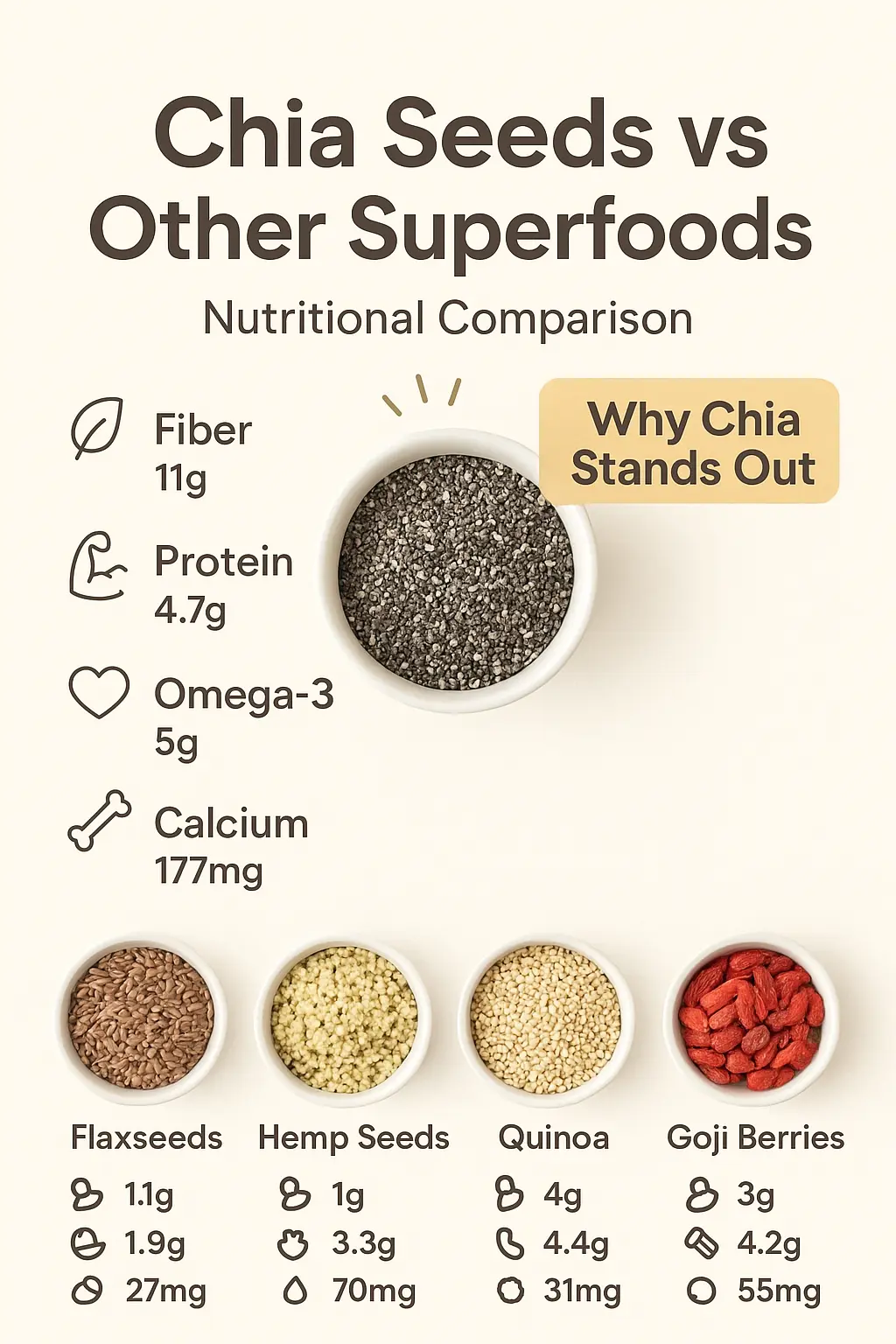
Chia Seeds vs Flax, Hemp, Pumpkin, and Sunflower: The Ultimate Showdown
Chia stands out for its unmatched fiber content, omega-3 to omega-6 balance, calcium density, and ease of use. No grinding required. Long shelf life. Versatile in any recipe. Full nutrient comparison tables included.
Frequently Asked Questions
1–2 tablespoons (15–30g). Start with 1 teaspoon and increase slowly over 1–2 weeks.
Yes — through satiety, blood sugar control, and low calorie density. Many lose 5–10 lbs over 3–6 months when combined with a balanced diet.
Yes — prevents choking, improves digestibility, and enhances nutrient absorption. Soak 10–15 minutes in water or milk.
Generally safe in moderation. Rich in folate, iron, calcium, and omega-3s. Consult your doctor first.
No! Your body absorbs them whole. Flax must be ground; chia does not.
They support hydration and reduce inflammation from within. Pair with a solid
skincare routine for best results.
Not quite — but it gives steady energy without the crash. Try it in a smoothie instead of a second latte.
Yes — zinc, protein, and omega-3s support follicle health. Many notice less shedding after 2–3 months.
Costco, Whole Foods, Thrive Market, or
Amazon. Look for organic, non-GMO if possible.
Yes, starting at age 1. Soak well and mix into yogurt or smoothies.
Rarely — they last 2–4 years in a cool, dry place. Smell test: if rancid, toss.
Yes — add to muffins, pancakes, or oatmeal. They thicken soups and stews naturally.
Nope — same nutrition, just different plants. Black is more common in the U.S.
Some studies show improved insulin sensitivity. Always pair with medical advice.
Only if you overdo it. 2 tbsp = 137 calories. Use as a snack replacement, not addition.
Final Thoughts: Start Small, See Real Change Over Time
Chia seeds won’t fix everything overnight. They’re not a magic pill. But add them consistently — 1–2 tablespoons daily — and you’ll likely notice small, meaningful improvements over weeks and months. Better digestion. Steadier energy. Healthier skin. Clothes that fit better. Fewer cravings. Stronger hair. I started with one spoon in water four years ago. Today, it’s still my nightly ritual. Try it for 30 days. See what happens. And if you love it, tell your mom (or your group chat) — mine still says “I told you so” every time I refill my jar from Thrive Market.
Want more glow-from-within tips? Check out my 10-minute skincare routine or my favorite face oils for that extra radiance.

Beauty & wellness blogger | 30 and thriving on chia water in Austin, TX
Join my GlowList for weekly recipes & real tips
Affiliate Disclosure: This article may contain affiliate links.
If you purchase through these links, we may earn a small commission at no extra cost to you.
This helps support our work and allows us to continue creating honest, research-backed content.
We only recommend products we genuinely use, trust, or believe will add value to our readers.